
What is true in it
No-spend challenges often do backfire, and that’s not a failure of willpower. A flat ban treats every purchase as equally suspect, with no outlet and no distinction between what matters and what doesn’t. Sooner or later the pressure snaps back, usually into a bigger spend than the one you were avoiding. If that happened to you, the challenge was the problem, not you.
What it misses
The mistake isn’t spending, it’s that a blanket ban gives you no way to tell one purchase from another. It lumps the bus fare in with a takeaway coffee, and a night out with friends in with something that was never going to matter to you a week later. Kakeibo doesn’t ask you to stop spending. It asks you to decide, in writing, which spending gets to continue, and under what name. Restriction without categories collapses because it asks you to treat your whole life as temptation. Restriction written into categories survives because most of it was never temptation at all.
The kakeibo move
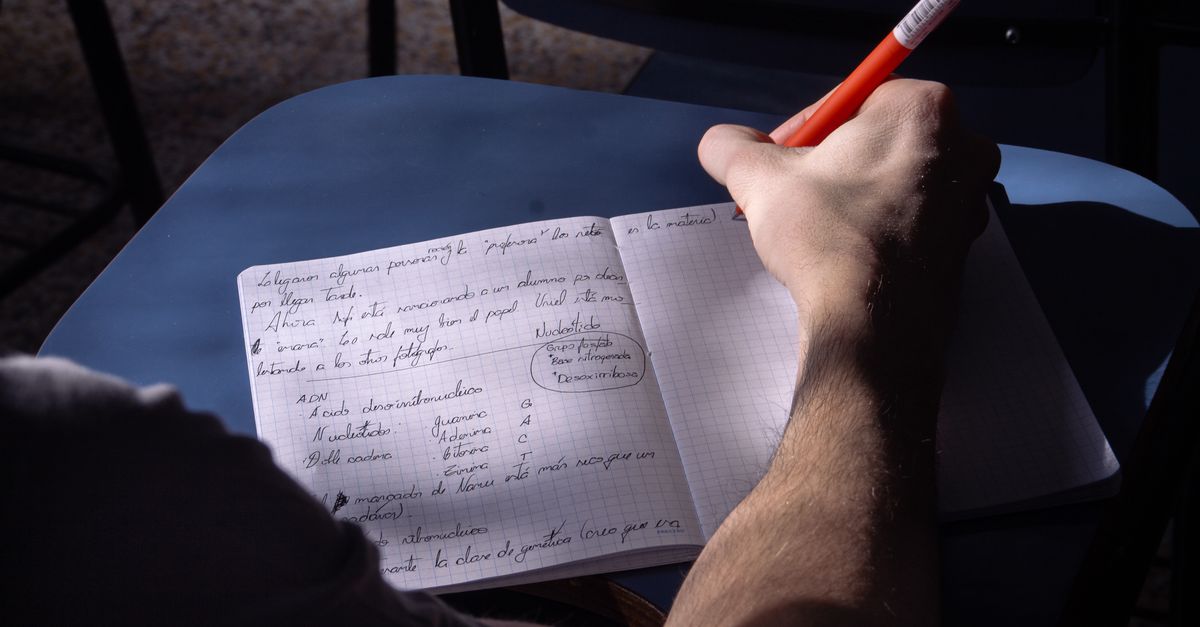
Open a notebook this week and write four words down the side of a page: Survival, Optional, Culture, Extra. Under Optional, write one thing you’re allowed to keep spending on without guilt, something enjoyable that you could also stop if you had to. Under Culture, write one thing that tends to leave you better off for having paid for it. Then for the next seven days, write down every purchase under one of those four words, as close to the moment as you can manage. You’re not banning anything. You’re naming it. By the end of the week you’ll be able to see which envelope is actually carrying the damage, and that’s the one worth negotiating with, not the one worth starving.


